
LA barred student AI on district devices.
Published Sep 8, 2026Edited Sep 8, 2026
Los Angeles Unified is the second-largest school system in the country. For the 2026–27 school year it has restricted student access to generative AI on district-issued devices — every grade. That is about 378,000 students in transitional kindergarten through twelfth.
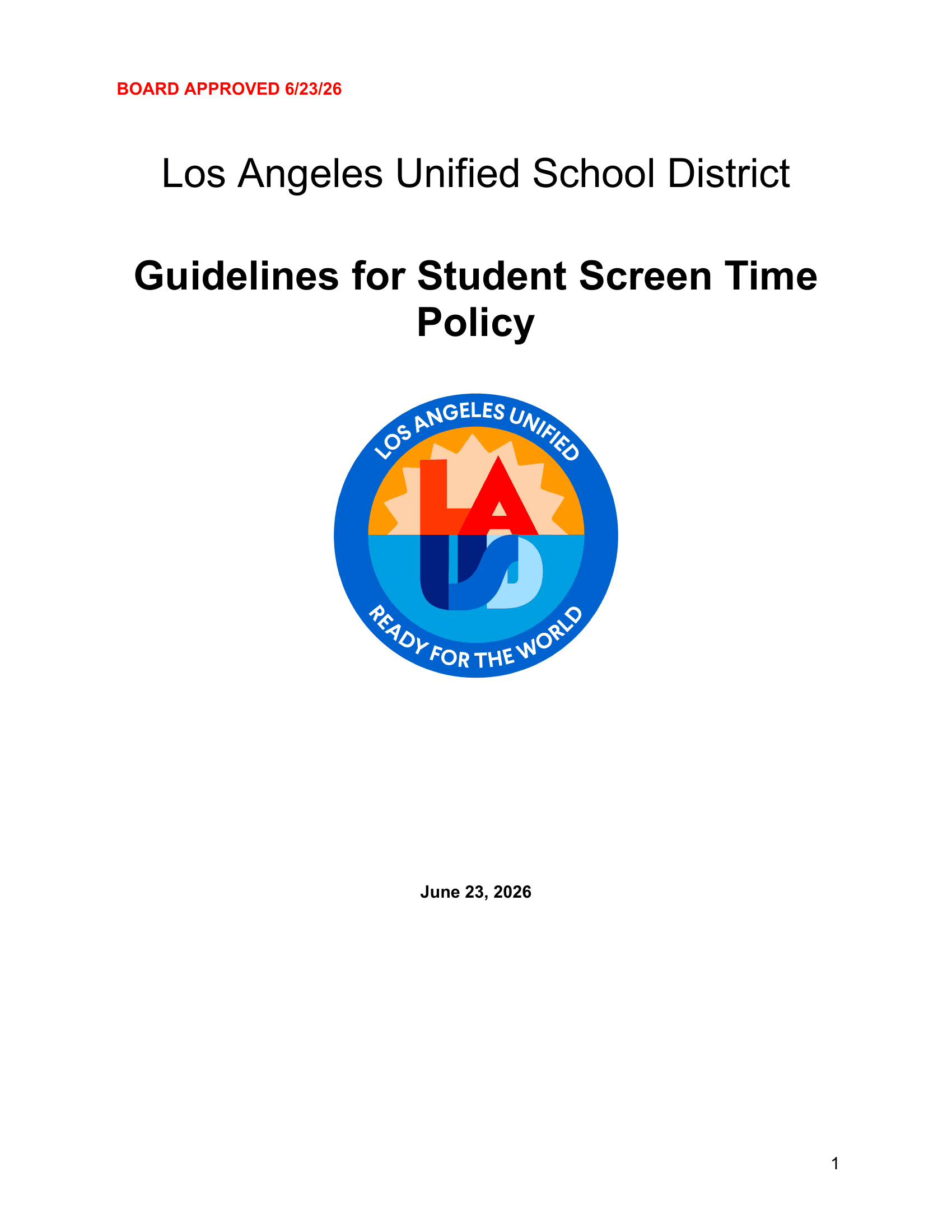
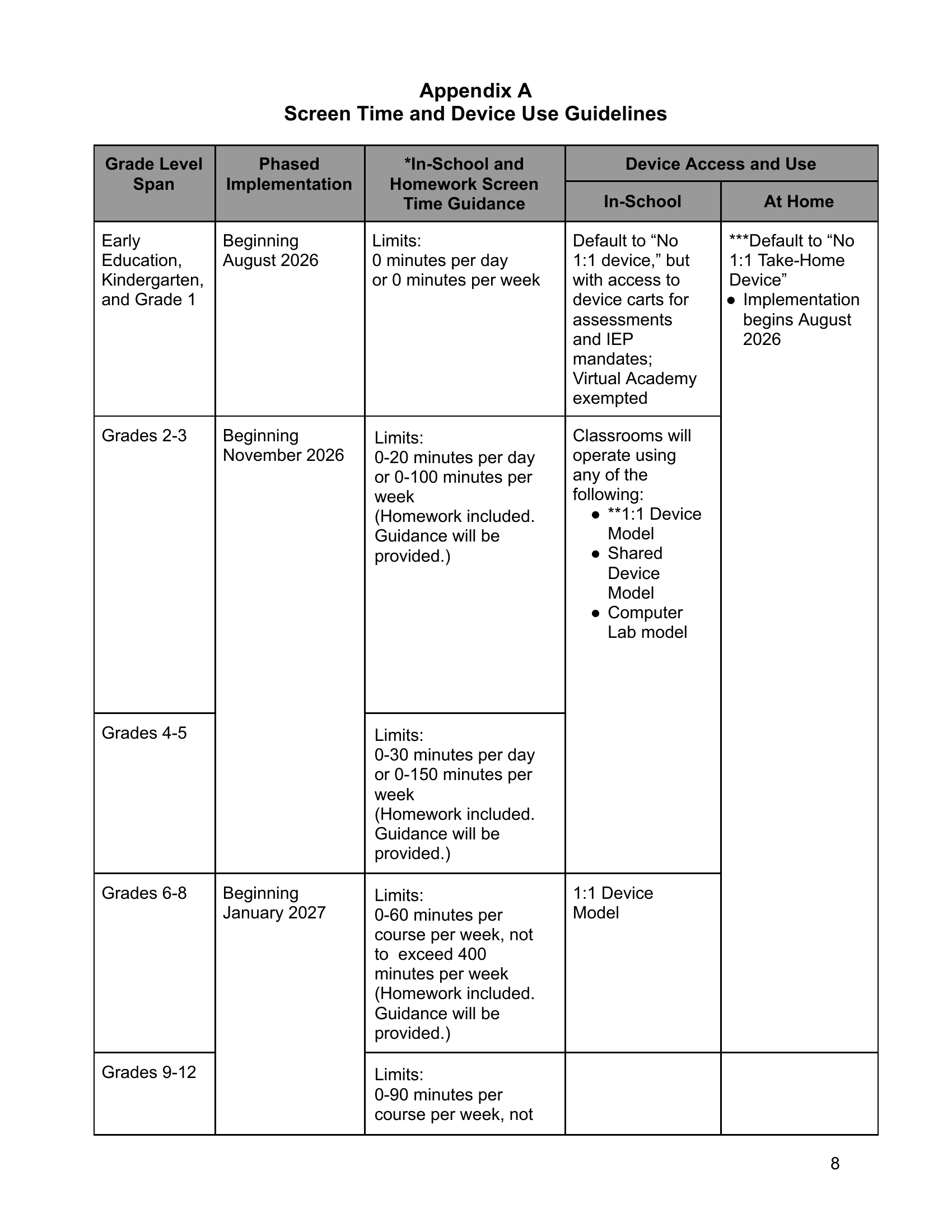
This is not the same rule as New York's. NYC paused student-facing generative AI through eighth grade and left a thinner high-school path (literacy modules, a few pilots). LAUSD's practice is broader on devices and narrower in scope: it applies to school-owned hardware and accounts. Officials have said there is not yet a parallel rule for what students do on personal devices.
Before this year, LAUSD students aged 13 and older who finished required digital-citizenship instruction and accepted the responsible-use policy could reach approved generative AI tools. That path is off while the district reviews instructional use and safeguards. Teachers are not barred from using AI on district devices for their own work.
The disclosure landed the same week NYC announced its pause, at the first meeting of LAUSD's Generative AI Ad Hoc Committee. That committee is supposed to bring guardrails and procedures back to the board by the end of the school year.
That is the news.
Tech Lab Take
AI education is no longer a conference panel. It is arriving in school systems as policy — pauses, device blocks, literacy modules, committees with year-end deadlines. NYC and LA moved in the same week. More districts will follow. The question for this decade is not whether schools meet generative AI. It is whether they meet it at a pace that leaves the next generation stable when the frontier keeps accelerating.
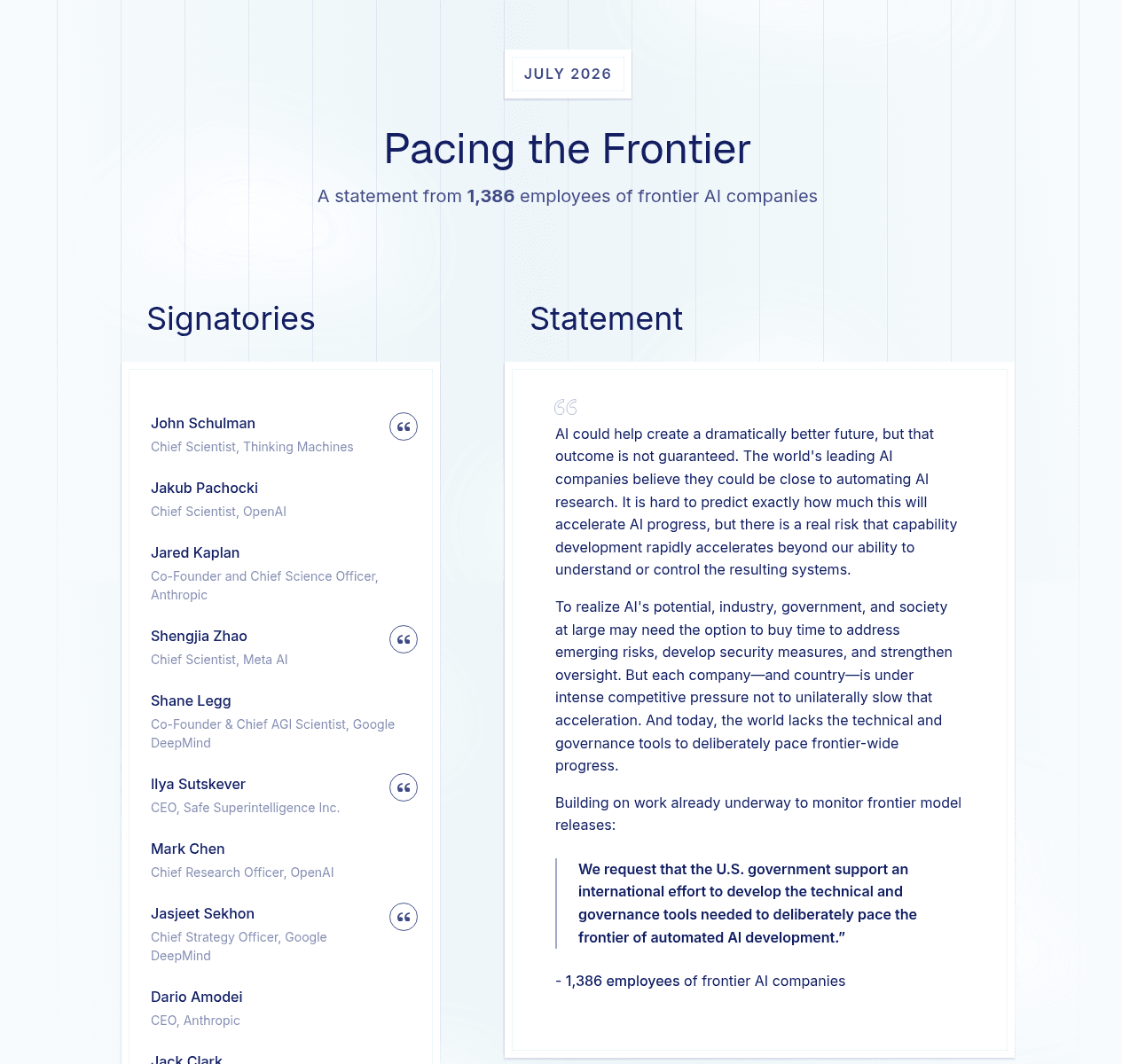
The builders closest to that frontier already said the quiet part out loud. In July, more than a thousand verified employees of frontier AI companies published Pacing the Frontier — not a demand to shut research down, but a request that governments help build the technical and governance tools to deliberately pace automated AI development if society needs time. The people riding hypergrowth into whatever comes next are asking for a brake that actually works. Schools are a place that brake has to mean something concrete: time to put tools and knowledge in teachers' and administrators' hands before the rollout outruns the room.
That takes longer than a product launch. Rushing AI into classrooms without the prep — without trusted judgment at the school level, without shared evidence, without a plan for home devices versus district Chromebooks — digs potholes. Fixing them later costs more than going slower now. A one-year look on district machines, or a K–8 pause while high school gets a thinner path, is not anti-AI. It is refusing to pave over the gap and call it progress.
The work of the now is pacing: measure what a year of restraint does, publish it, then decide what to scale. LAUSD's committee is supposed to report by the end of the school year. That public receipt is the point. Omegagrowth fantasy without pacing is how you inherit a mess. Stability for the kids who will live inside this stack depends on the adults choosing the slower, documented turn while they still can.
— BK